Powdered Activated Carbon: Uses, Benefits & Industrial Applications
Purification is an important aspect in today’s modern industrial and municipal operations. From purifying water for consumption to purifying chemicals and food, the choice of filter media is vital. Powdered activated carbon (PAC) is considered one of the most reliable materials used worldwide to eliminate any contaminants, organic materials, unnecessary colors, and bad odor.
Knowing the major uses of powdered activated carbon helps facility managers and engineers choose cost-effective treatment solutions.
What Is Powdered Activated Carbon?
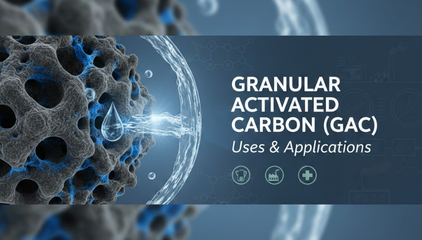
Powdered Activated Carbon is made up of very small pieces of carbon produced by activating the base material through either thermal or chemical means. This contrasts with GAC, which has particles larger than 0.18mm (US Mesh 80).
Due to its smaller particle size, PAC offers a greater ratio of surface area to volume. One gram of quality PAC has an internal surface area of more than 1,000 square meters.
How Powdered Activated Carbon Works
PAC purifies fluids through adsorption, a physical phenomenon. Adsorption is a process whereby organic materials dissolved in water, contaminants, and other chemicals stick to the pores inside the carbon.
For water purification, facilities use powdered activated carbon as the treatment medium due to its small particle size, which quickly spreads in water.
Uses of Powdered Activated Carbon
The versatility of PAC makes it popular across both liquid and gas treatment plants. Exploring key powdered activated carbon uses shows how powdered activated carbon will demonstrate its adaptability:
- Taste and Odor Control: Eliminates geosmin and MIB molecules causing bad taste in urban water.
- Toxin and Chemical Removal: Filters out pesticides, herbicides, industrial solvents, and man-made organic chemicals.
- Decolorization: Removes color pigments from sugar syrups, edible oil, and organic liquid solutions.
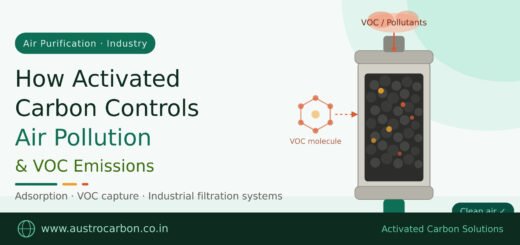
- Gas & Air Cleaning: Added to flue gases to capture heavy metals such as mercury and dioxins.
Key Benefits of Powdered Activated Carbon
Knowing the main benefits of using powdered activated carbon makes it easier for plant managers to decide which type of carbon to use. The 5 major powdered activated carbon benefits include:
- Rapid Action: Because fine particles give short contact time, impurities can be removed quickly compared to carbon granules.
- High Adsorption Capacity: One gram of high-quality powdered activated carbon has a surface area of more than 1,000 square meters.
- Flexible Dosing: Adjustment of carbon dose to the level of contaminants is easy without using any fixed equipment.
- Cost-Effective Solution: The low cost of the equipment makes it a cost-effective solution for batch process operations.
- Versatile Utility: Extremely versatile for use in different industries, from removing color from food to cleaning flue gases.
Industrial Applications of Powdered Activated Carbon
Industrial uses of powdered activated carbon include various heavy industries as well as light industries:
- Municipal Water Treatment: The use of powdered activated carbon for water treatment ensures that cities adhere to drinking water standards during algal blooms. (Studies indicate that PAC can eliminate up to 95 percent of taste and odor compounds).
- Industrial Wastewater: Water treatment using powdered activated carbon is performed in heavy industrial factories to eliminate poisonous organic compounds in the water before being released into nature.
- Food & Beverage Processing: PAC is used for purifying sugar, fruit juices, alcoholic drinks, and vegetable oil by eliminating unwanted materials.
- Pharmaceuticals: PAC is used to purify APIs and dark material formed in synthesis.
Flue gas treatment is another important industrial application of powdered activated carbon, especially within incineration facilities.
Factors to Consider When Choosing Powdered Activated Carbon
Compatibility between operational needs and powdered activated carbon application helps achieve optimal results. Consider these factors:
- Raw Material: PAC from coconut shells has high microporosity for small molecules. PAC from wood has mesopores for bigger color molecules.
- Iodine and Methylene Blue Numbers: Higher numbers mean more adsorption capacity.
- Ash and Purity Levels: Low ash content reduces any undesirable leaching into sensitive liquids.
Selecting the right mesh size and pore structure is crucial in many industrial uses of powdered activated carbon.
Conclusion –
The use of powdered activated carbon for water purification and industrial purification enables industries to create high-quality products and meet environmental standards. By using powdered activated carbon, industries can effectively control pollution while reducing costs.
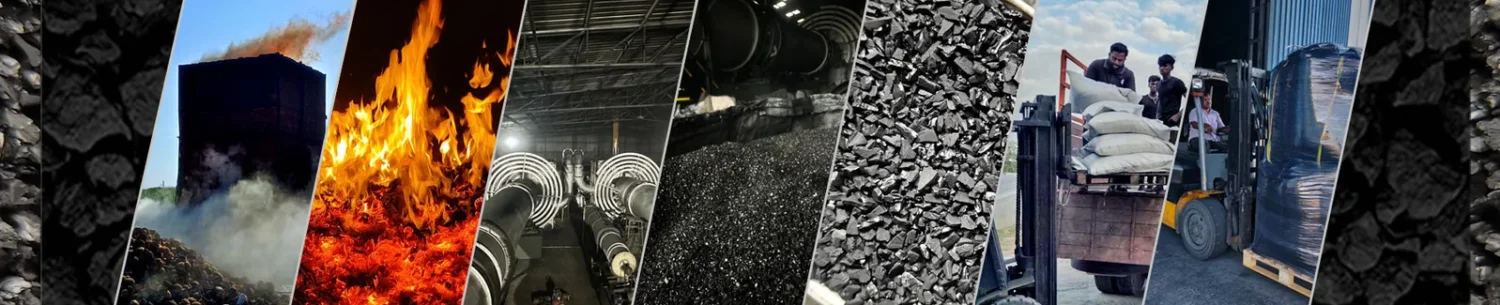
Austro Carbon, based in Tuticorin, India, creates superior-quality activated carbon from high-grade raw materials such as coconut shells and wood. With its 60,000 sq. ft. plant, global procurement network, R&D labs, and certifications like ASTM, BIS, and EU, Austro Carbon provides dependable, highly adsorbent, low-ash PAC to a wide range of industries.
FAQ
1. How is powdered activated carbon added to water treatment processes?
PAC is usually mixed with water to make a slurry and then introduced into the water flow, flash mixers, or clarification tanks before sedimentation and filtration.
2. Can powdered activated carbon be re-activated or reused?
Unlike granular activated carbon, PAC is not commonly re-activated due to the difficulty of recovering the fine powder particles from the sludge. This is usually disposed of according to environmental standards
3. What is the difference between wood-based and coconut-based PAC?
Coconut PAC contains fine micropores, which make it appropriate for adsorbing small organic compounds, gases, and odorous chemicals. The wood PAC contains larger meso- and macropores, which make it effective for decolorizing liquids and removing complex organic compounds.