How Activated Carbon Improves Food Safety and Quality in Processing Industries
Food safety and processing industries are hot topics for the last 5 years as more people are getting aware of healthy eating habits. People are no longer just buying and eating out of curiosity or taste, but they are more involved in what the label says. And it’s not just Indians but residents of other countries as well.
So, if you are running a food and beverages unit in India, or you are exporting products, you should be aware how activated carbon (AC) can elevate your game. It can help you achieve the best industry quality standards, that too, through reasonable investment. And since it’s already been a tried and tested solution over several years, you don’t have anything to worry about its feasibility.
In this blog, we will decode activated carbon in food processing, so that you can make an informed decision for your production unit.
What is Food-Grade Activated Carbon?
When you’re dealing with products meant for human consumption, you can’t just use any industrial adsorbent. You need food-grade activated carbon.
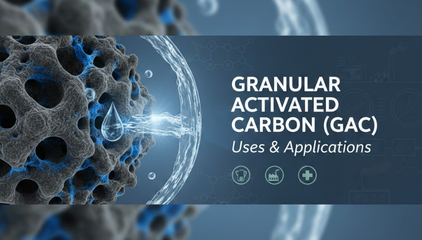
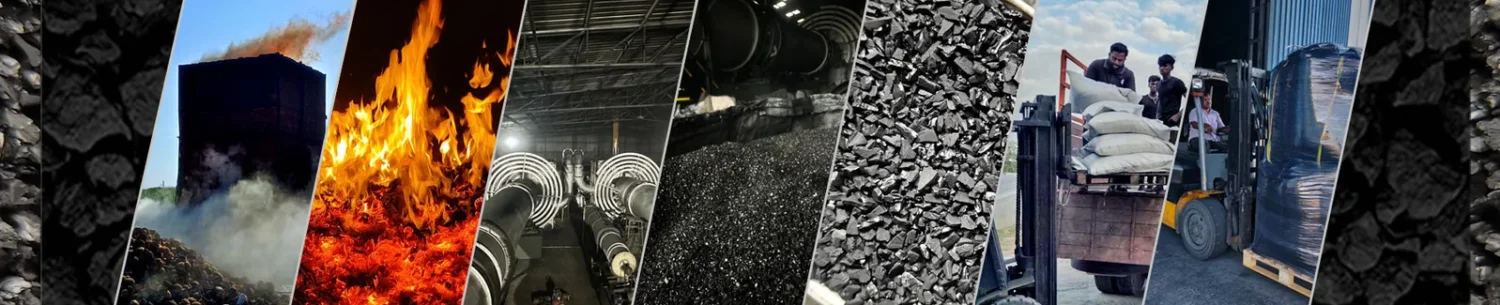
Unlike standard industrial variants, food-grade AC is manufactured under a controlled environment and strict principles. Its is achieved by treating charcoal under high temperatures and thus activation is achieved giving it a porous structure and fantastic adsorption capability.
It is characterized by being completely odorless and tasteless, ensuring it doesn’t compromise your end result. High regulatory standards of its manufacturing methodology also ensure that it is free of heavy metals and other contaminants.
How Activated Carbon Ensures Food Safety
Food manufacturers are always on their toes, ensuring food safety and compliance at every step. If you are one among them, you know how you are dealing with threats like toxins, pesticides, and organic pollutants that can creep into the raw materials.
The D2C segment is the one that is worried most. The reason being- people and influencers are discussing more on social media. Here, AC acts like the saviour through adsorption. It works like a charm in:
● Removing Toxins: In edible oil processing, it effectively removes Polycyclic Aromatic Hydrocarbons (PAHs).
● Pesticide Removal: In juice production, it strips away residual pesticides that might have lingered on the fruit.
● Contaminant Capture: It eliminates mycotoxins and other organic impurities that could pose health risks to your customers.
How Activated Carbon Improves Food Quality
The food industry utilizes food-grade activated carbon for its cost-effectiveness and efficiency in improving the quality of food and beverages. Activated carbon (AC) can also help improve the following areas:
1. Color Removal: Those in the sugar and syrup industries understand how organic dyes can create a yellow hue in their finished products. AC helps remove these colors from the finished bulk, creating a clear finished product.
2. Taste and Odor Removal: The presence of foreign-tasting/flavoring compounds (VOCs) can spoil an entire batch of beverage/oil. Activated carbon will help eliminate these VOCs, creating a more enjoyable product.
3. Improved Shelf Stability: Purifying bottled products of any volatile organic compounds that may lead to oxidation and/or turbidity over time will lead to an increase in shelf-life and stability of bottled products.
Key Applications in Food Manufacturing
There are intricate use cases in terms of activated carbon for food safety. Sometimes it becomes too technical to lay down in words. Hence, we have covered the broad segments that you should know and study:
● Sugar Refining: It is the industry standard for decolorizing cane sugar and eliminating impurities from liquid corn sweeteners and syrups.
● Beverage Industry: Whether experts are clarifying apple juice or treating the water used in soft drinks, AC ensures a consistent, crisp profile.
● Edible Oil Refining: From palm to sunflower oil, AC is crucial for eliminating pigments (like chlorophyll) and trace metals.
● Dairy & Gelatin: It helps in the purification of lactose and the refining of gelatin, ensuring the highest level of transparency and protein purity.
Opting for the Correct Activated Carbon for Your Production Unit
Your production lineup and your end goal should define what kind of AC will suit best. Generally, there are two main kinds, which can be categorized as:
● Powdered Activated Carbon (PAC): Ideal for batch processes where you can mix the carbon directly into the liquid and then filter it out. It offers an incredible surface area for rapid adsorption.
● Granular Activated Carbon (GAC): Appropriate for continuous flow-through systems, such as water treatment or fixed-bed decolorization.
Note that when purchasing your carbons, they meet standards set forth by the food safety authorities. Having said that, using any of our acid-washed (GACs, PACs) activated carbon will ensure that they do not migrate to your finished product; thus, maintaining its pH and mineral balance.
Pro Tip: Optimizing your dosage and contact time is essential. Using too little won’t reach your quality targets, while overwhelming usage can lead to unnecessary waste. Finding the “sweet spot” ensures cost-effective excellence.
Final Thought
There is no doubt that there is tough competition among FMCG businesses. Each one is trying their best to come up with a strategic price point while keeping the quality top-notch. Amidst this chaos lies a challenge related to compliance. And decision makers can only fight back if they can utilize the benefits of activated carbon in food industry.
So, if you are feeling stuck or confused, don’t worry. At Austro Carbon, we have the right set of mentors who can not only help you get the right knowledge but also hand-hold you in your production lineup.